PCOS & Menstrual Disorder Management
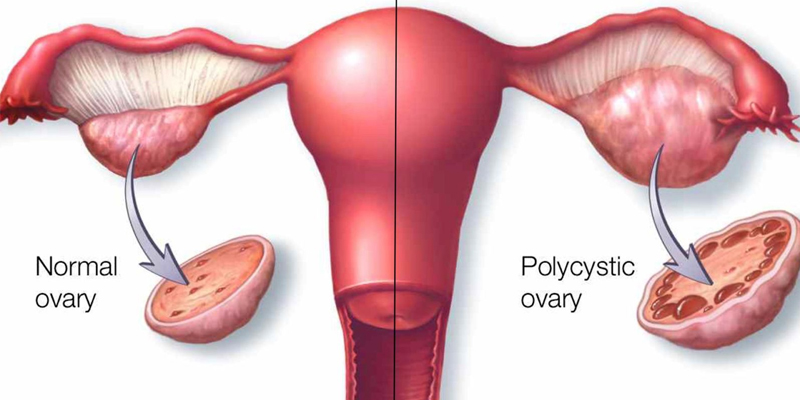
Polycystic Ovary Syndrome (PCOS) and menstrual disorders are common gynecological conditions that affect women’s reproductive and overall health. PCOS is a hormonal disorder characterized by irregular periods, excessive androgen levels, ovarian cysts, weight gain, acne, and hair growth, while menstrual disorders may include heavy bleeding, painful periods, missed cycles, or irregular cycles. Effective management is essential to relieve symptoms, regulate menstrual cycles, and prevent long-term complications such as infertility, diabetes, and cardiovascular issues.
Management begins with a comprehensive evaluation, including detailed medical history, physical examination, hormonal tests, and imaging like pelvic ultrasound. This helps identify the underlying causes of menstrual irregularities and hormonal imbalances. Treatment is personalized based on the patient’s symptoms, age, reproductive goals, and overall health.
For PCOS, management may include lifestyle modifications, weight management, hormonal therapy (such as oral contraceptives), insulin-sensitizing medications, and fertility treatments for those planning pregnancy. Menstrual disorders are treated with hormonal regulation, medications to control bleeding or pain, and, in some cases, minimally invasive surgical interventions.
Our gynecology clinic provides patient-centered care for PCOS and menstrual disorders, focusing on symptom relief, long-term health, and fertility preservation. Counseling and education empower women to understand their condition and actively participate in their treatment plan.
With expert care, women with PCOS and menstrual disorders can achieve regular cycles, manage symptoms effectively, and maintain reproductive and overall health. Early evaluation and ongoing management help prevent complications, improve quality of life, and support long-term well-being through modern gynecological care.